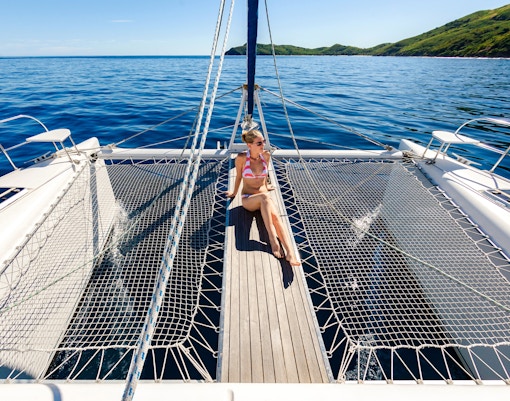
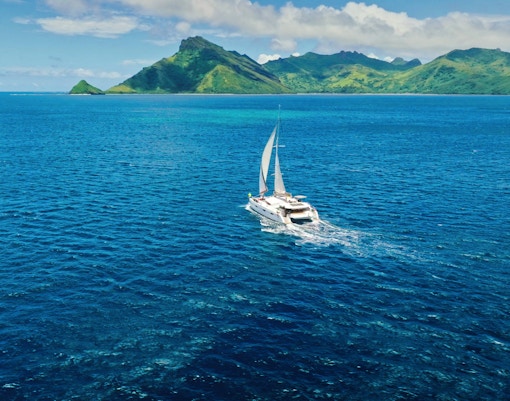
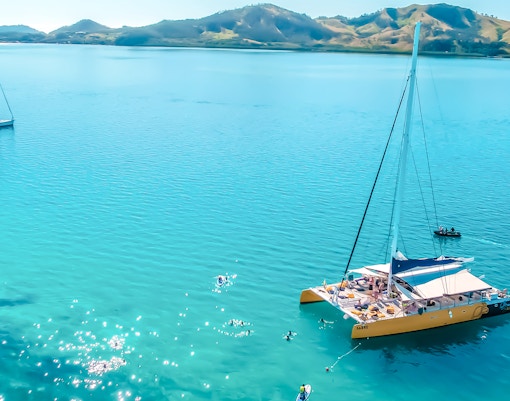
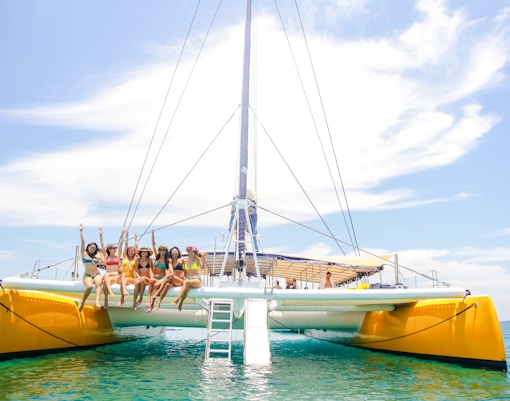
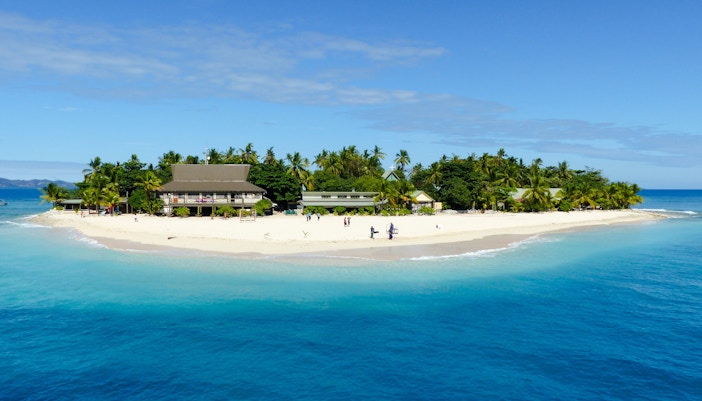
A popular island group close to Nadi, ideal for snorkeling, beach time, and short stays.
Plan your Fiji Cruise
Overview
Fiji is a South Pacific nation of 300+ islands, known for turquoise lagoons and coral reefs. Most visits involve island-hopping, so choosing the right islands, transfers, and timing is key.
Travel logistics
Most international travelers arrive at Nadi International Airport on Viti Levu. From there, the Mamanuca and Yasawa Islands are reached by boat or domestic flight. Schedules can be weather-dependent, so guided transfers or island passes help simplify connections.
Plan your day
- Quick visit (2–3 hrs): Relax at a beach resort near Nadi or Port Denarau.
- Half day (4–5 hrs): Visit a Mamanuca Island for snorkeling and lagoon cruises.
- Full day (6+ hrs): Combine island hopping, reef activities, and a sunset cruise.
Handy tips
- Tickets: Book ferries, island transfers, and tours in advance, especially during the dry season.
- Best times: Depart early morning for island transfers; late afternoons are best for lagoon views.
- Rules: Follow reef-safe practices and respect village customs.
- Pro tip: Choose a transfer pass if visiting multiple islands.
- Respect: Avoid touching coral and follow local marine guidelines.
Must-see places in Fiji

Mamanuca Islands
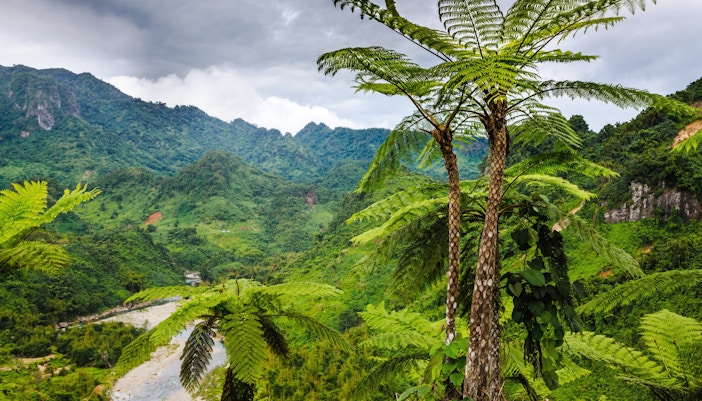
Yasawa Islands
More remote islands known for dramatic scenery, caves, and quieter beaches.
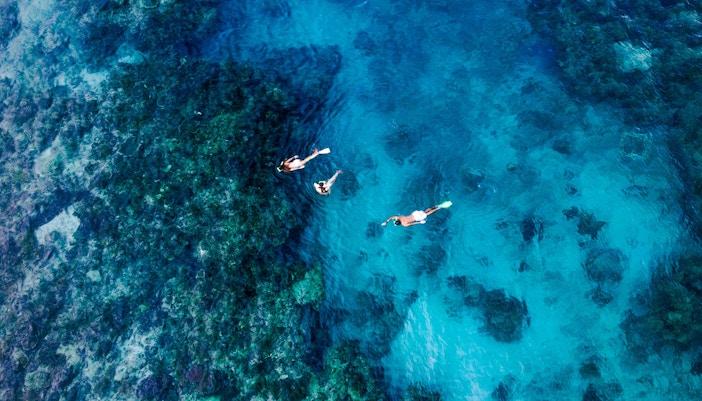
Viti Levu
Fiji’s main island, home to Nadi, Suva, cultural villages, and waterfalls.
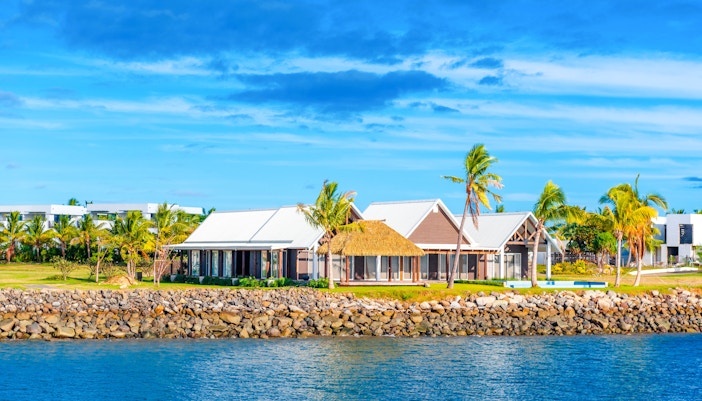
Coral Coast
A scenic stretch of coastline with reefs, resorts, and easy access from Nadi.
Port Denarau
Fiji’s main marina and cruise hub, serving as the departure point for ferries, speedboats, and day cruises to nearby islands.
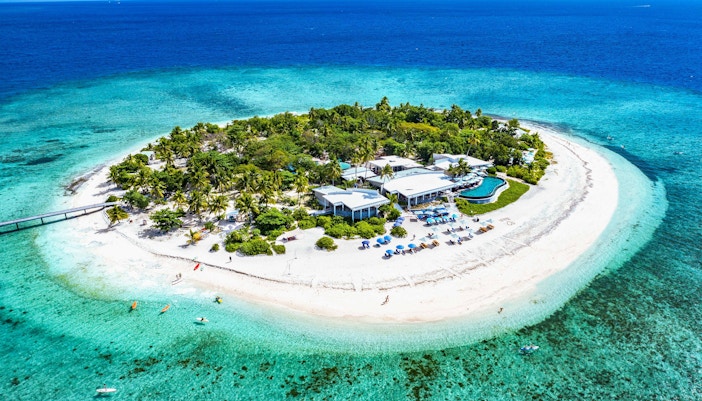
Malamala Beach Club
A private island near Port Denarau, popular for day cruises, lagoon swimming, and beach club experiences.
Book Fiji Day Trips
Guided island day trips & cruises: Choose all-inclusive favourites like the South Sea Island Cruise, that departs from Port Denarau. This experience include round-trip ferry transfers, set schedules, and onboard inclusions—perfect for first-time visitors or short stays.
- Beach club day passes: Relax with half- or full-day access at iconic island venues such as the Malamala Beach Club Day Pass or the South Sea Island Day Pass, both with return ferry transfers and plenty of time for swimming, sunbathing, and beachfront dining.
Snorkelling & adventure cruises: Explore Fiji’s coral reefs and marine life on experiences like the Half-Day Snorkelling Cruise or snorkelling with the sharks, offering structured half- or full-day itineraries with snorkelling gear, reef stops, and other optional water activities.
- Family-friendly cruises: Choose the Finding Nemo Adventure for a short, easy island trip with calm waters, shallow snorkelling, and fun, kid-focused activities, perfect for a relaxed family day out.
- DIY island hopping: Independent travellers can book standalone ferry transfers between islands such as South Sea Island and Malamala Beach Club, allowing more flexibility—though you’ll need to coordinate ferry times and island schedules yourself.
Book Fiji cruises
Malamala Beach Club Private Island Pass with Hotel Transfers

Book now, pay later

Transfers available
South Sea Island Day Trip with Cruise, BBQ Lunch, Drinks & Hotel Transfers
Book now, pay later
Transfers available
Meals included
Full-Day South Sea Sailing Adventure with Lunch, Drinks & Hotel Transfers
Book now, pay later
Meals included
Full-Day Castaway Island Small Group Cruise by High Speed Catamaran including Lunch & Hotel Transfers
Book now, pay later
Transfers available
Meals included
Getting to your Fiji Cruise
Most Fiji cruises depart from Port Denarau Marina, near Nadi on Viti Levu. Access is via a short transfer from Nadi International Airport, followed by a ferry, speedboat, or guided connection, depending on the island you’re visiting and your schedule.
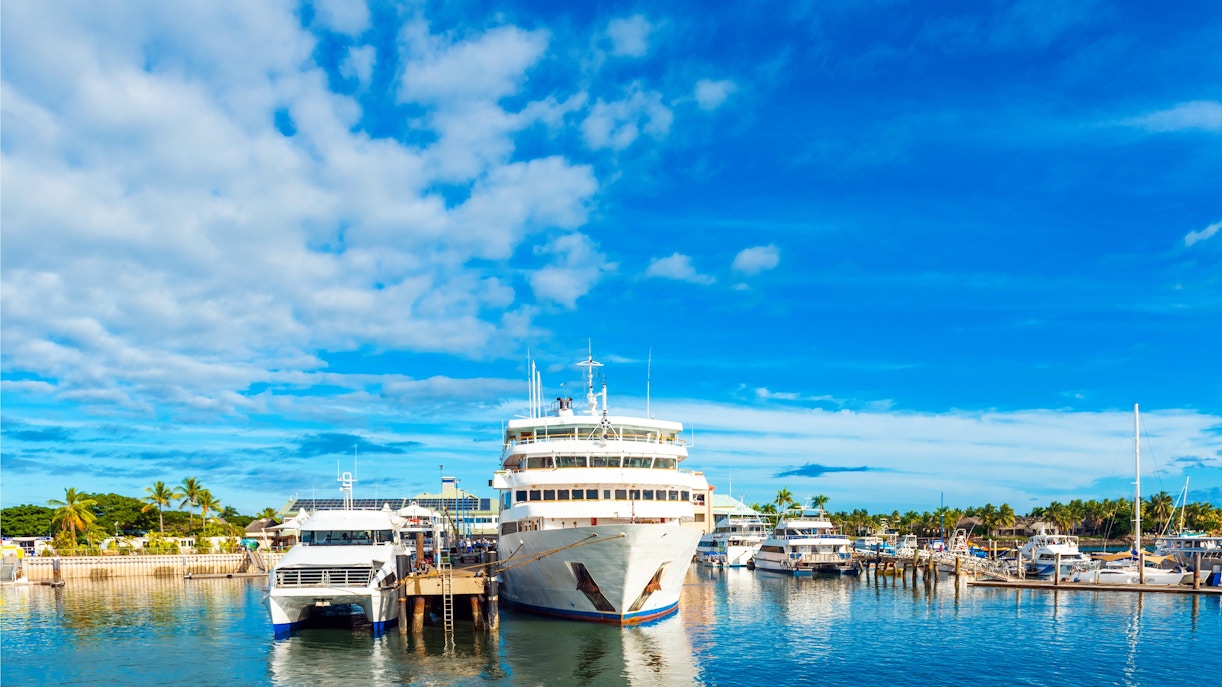
Organised airport-to–Port Denarau transfers with scheduled ferry or speedboat connections.
- Time: Half day to full day (depending on route)
- Cost: $$$
- Pros: Smooth connections, luggage support, minimal planning
- Cons: Fixed departure times

Domestic flights from Nadi connect to outer islands not served by Port Denarau ferries.
- Time: 30–60 minutes
- Cost: $$$
- Best for: Reaching distant islands quickly
- Cons: Limited luggage and fixed flight schedules
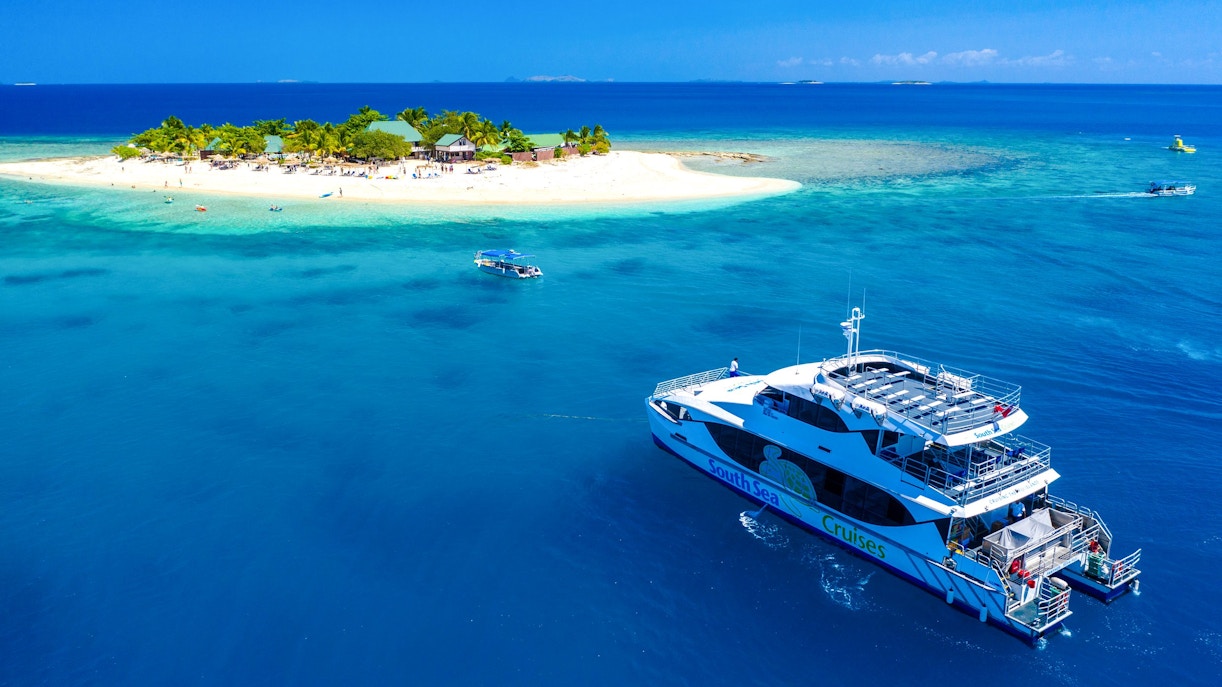
Ferries and high-speed catamarans depart directly from Port Denarau to nearby island groups.
- Time: 20 minutes to 5 hours
- Cost: $$
- Best for: Mamanuca and Yasawa island cruises
- Cons: Weather and sea conditions can affect schedules

Rental cars are useful only for reaching Port Denarau and exploring Viti Levu.
- Time: Varies
- Cost: $$
- Best for: Nadi, Denarau, and Coral Coast travel
Cons: No access to outer islands
How to get around in the Fiji Islands
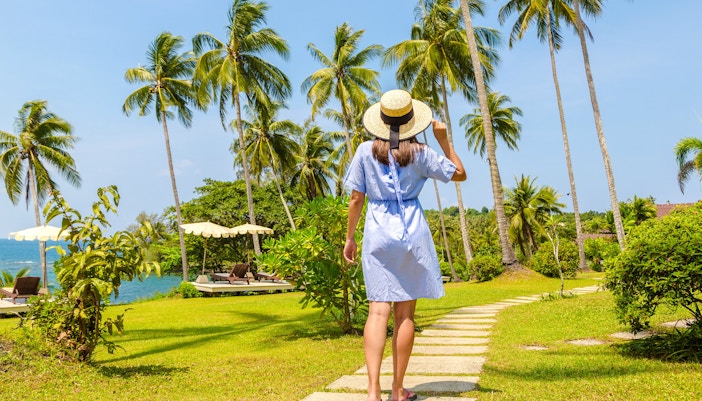
Walking
Best within resorts, small islands, and compact towns
- Cost: Free
- Best for: Short distances on a single island
- Cons: Not possible between islands
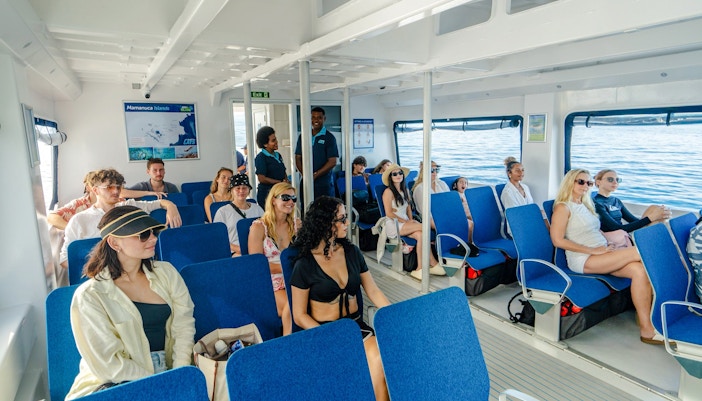
Boat transfers
Primary way to travel between islands
- Time: ~30 minutes to 5 hours (route dependent)
- Cost: $$–$$$
- Pros: Essential for island hopping; scenic journeys
- Cons: Weather- and schedule-dependent

Taxis & transfers
Widely available on Viti Levu, especially around Nadi, Denarau, and major towns
- Cost: $$
- Best for: Airport, hotel, and marina transfers
- Cons: Limited or unavailable on outer islands
More things to do in Fiji
1/6
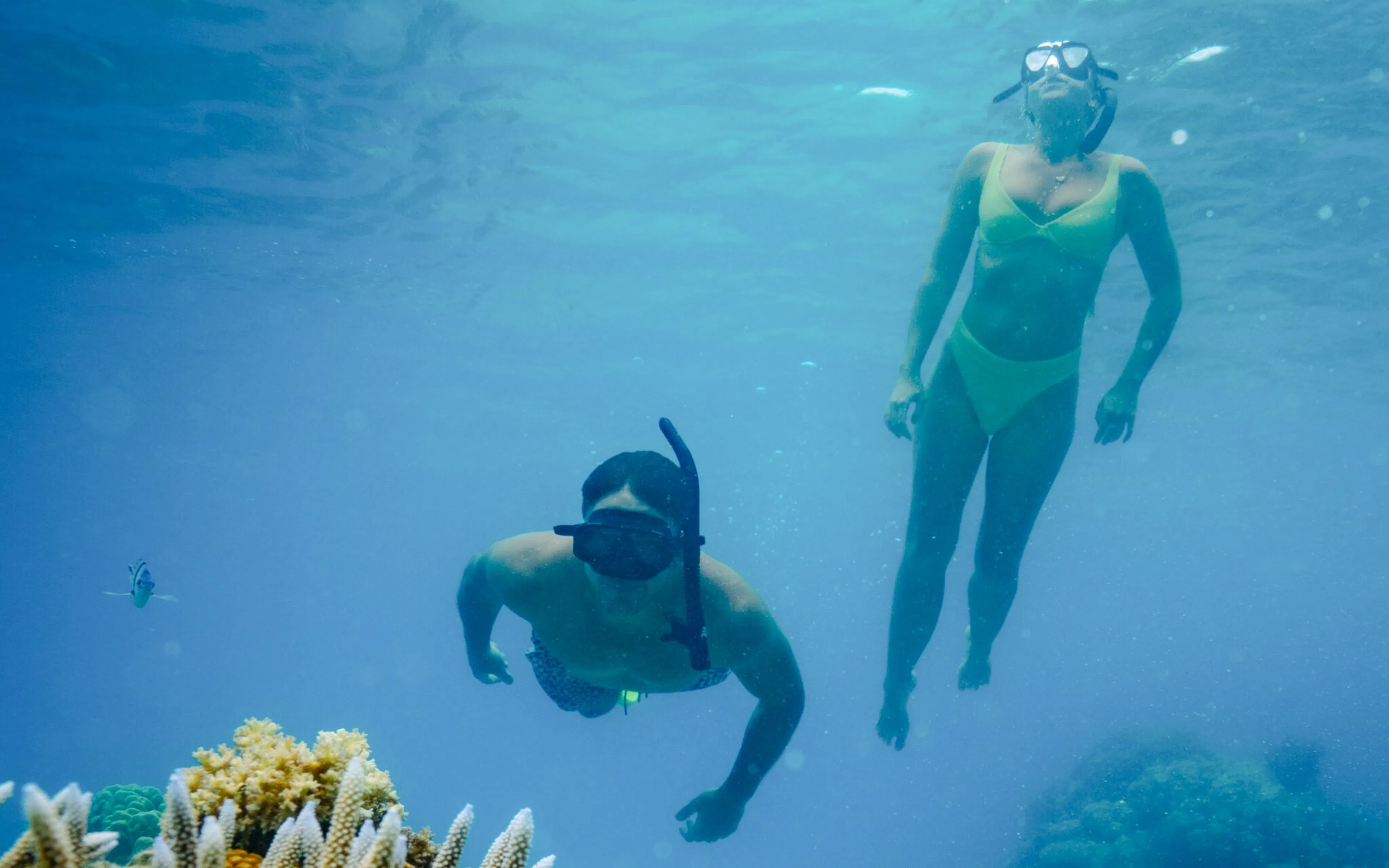
Snorkeling & diving
Explore coral reefs through guided trips or directly from resort lagoons.
Island cruises
Day cruises from Port Denarau with swimming, meals, and island stops.
Village visits
Guided cultural visits focused on Fijian customs, crafts, and daily life.
Beach club days
Spend a full or half day at private island beach clubs with easy boat access.
Lagoon swimming
Calm, shallow waters are ideal for relaxed swimming and floating.
Scenic sailing
Short coastal sails offering open-water views without long travel times.
Where to eat in Fiji
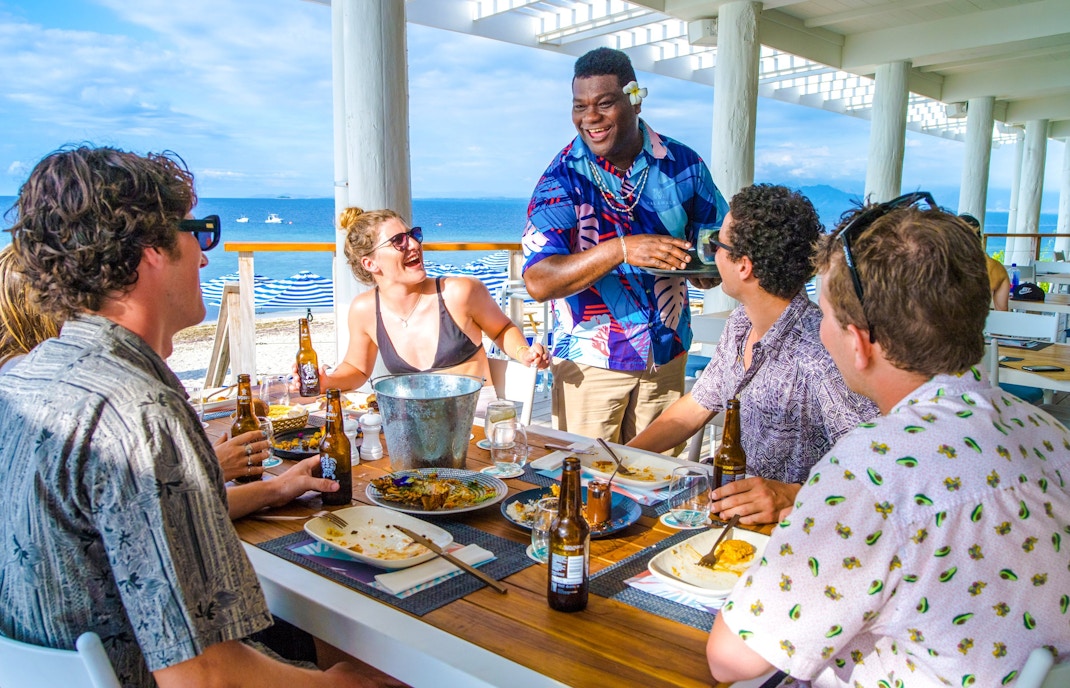
Resort restaurants
Convenient dining with ocean views and local dishes.

Local cafés in Nadi
Casual spots serving Fijian and international food near the airport.
Port Denarau Marina
A cluster of cafés and waterfront restaurants ideal before or after cruises, with varied cuisines.
Where to shop in Fiji
Port Denarau Marina
Convenient hub for souvenirs, local crafts, island wear, and duty-free shopping before or after cruises.
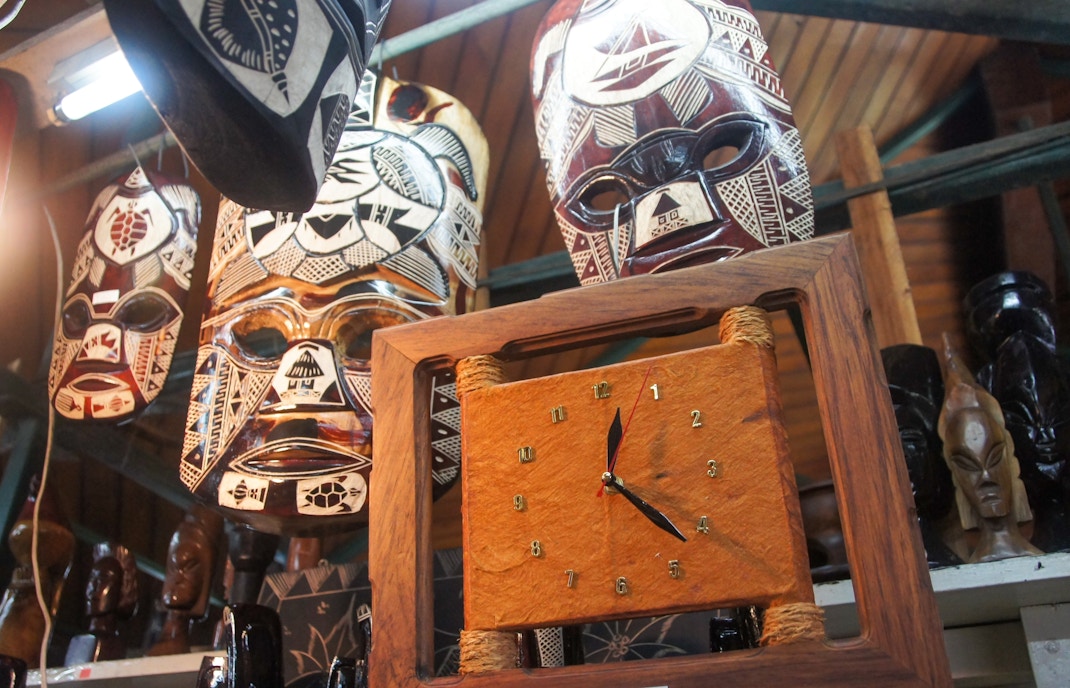
Nadi Town
Lively shopping area near the airport with handicrafts, souvenirs, pharmacies, and everyday essentials at local prices.
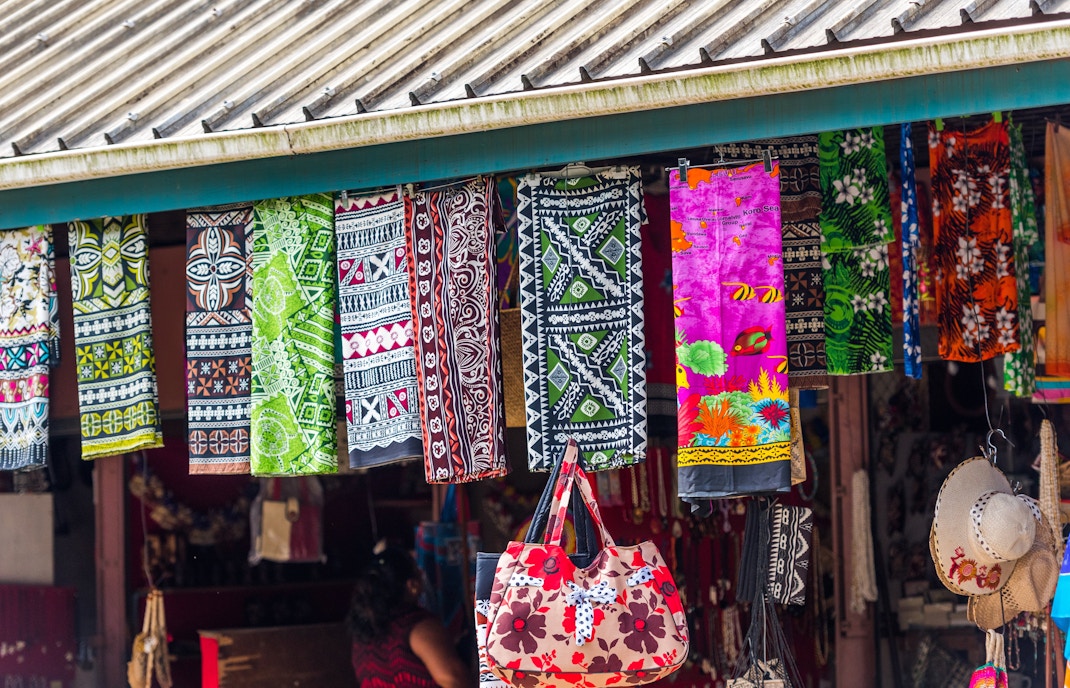
Local markets
Find handmade crafts, woven items, spices, and fresh produce while experiencing local life.
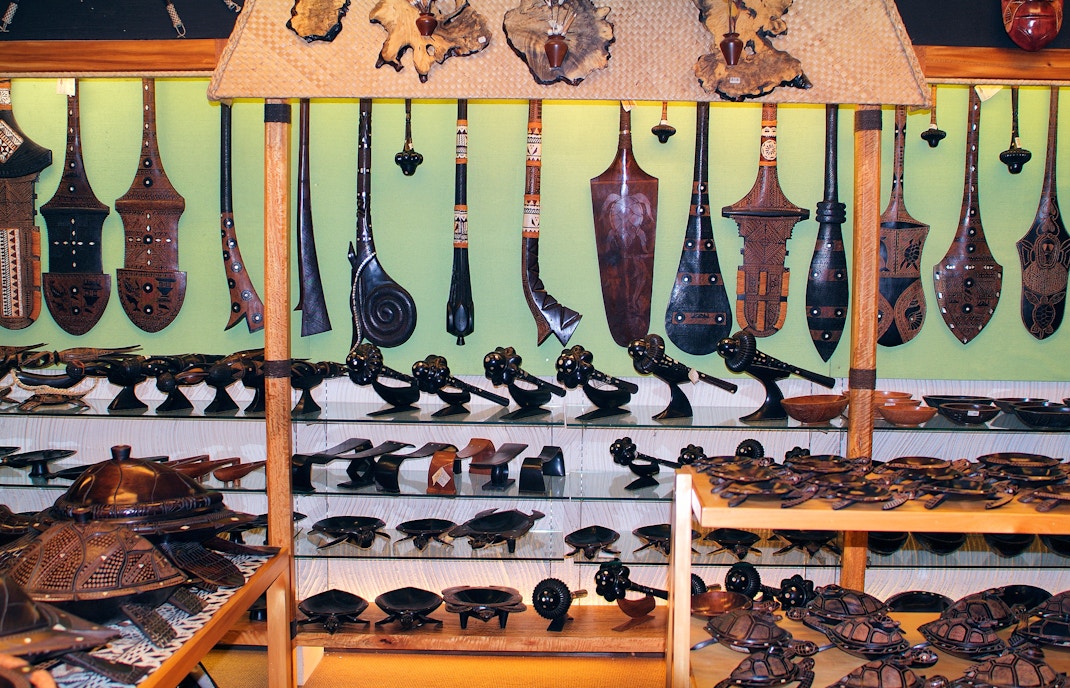
Resort boutiques
On-site shops at major resorts selling gifts, jewelry, and beachwear; convenient but higher priced.
Tips from locals
- Travel between islands early: Morning departures are more reliable, with calmer seas and fewer weather-related delays. Afternoon crossings are more likely to be rescheduled, especially in the wet season.
- Pack reef shoes: Many island beaches are coral-based rather than sandy. Reef shoes make swimming, snorkelling, and shoreline walks far more comfortable.
- Plan around Sundays: Sundays are reserved for church and family time in Fiji. Shops and tours may run limited hours, but it’s a great day to enjoy a quiet beach or resort activities.
- Carry some cash: Smaller islands and village-run stalls often don’t accept cards. Having small denominations helps for snacks, souvenirs, and local transport.
Frequently asked questions about planning your Fiji cruise
Guided day trips are easiest for first-timers, including transfers, ferry tickets, and curated stops. DIY trips give flexibility but require planning ferry schedules and connections.
The Mamanuca and Yasawa Islands are the most popular. Mamanuca offers beaches and water sports, while Yasawas are ideal for snorkeling, village visits, and quieter beaches.
Morning departures are recommended. Seas are calmer, weather delays are less likely, and you’ll maximize your day on the islands.
Not always. Small islands and local villages often only accept cash. Carry small bills for snacks, souvenirs, or local transport.
Yes. Many tours offer child-friendly activities, shorter itineraries, and safe transfers. Check inclusions like snorkeling gear or meals when booking.
Sundays are quieter due to church and family time. Visiting during shoulder months (April, November) also means fewer crowds and better prices.
Bring reef shoes for coral beaches, sunscreen, a hat, swimwear, a towel, and a small dry bag for valuables. Water and snacks are also recommended.
Yes. Rough seas or heavy rain may cause delays or cancellations. Guided tours often include backup plans or rescheduling options.
Some tours allow it, but travel time and transfers limit how much you can see. Guided multi-stop tours maximize sightseeing efficiency.